



Can a slot machine evaluate skill? The idea sparks debate, but modern games continue to find ways to offer players more control https://goonies.uk/. Blueprint Gaming’s The Goonies Slot puts a number on that level of control with its structured Skill Rating system. This review examines how that system functions, what it modifies about engaging with the game, and how it gives UK players a tangible score for their performance amid the movie-themed adventure.
Başlıklar
- 1 Grasping the Skill Rating Framework
- 2 Measurement and Display of Player Outcomes
- 3 Impact on Bonus Feature Gameplay
- 4 Strategic Decisions Influencing the Rating
- 5 Parts of the Rating Score
- 6 Possible Limitations and Considerations
- 7 Perks of a Open Rating System
- 8 Comparison between Classic RNG Slots
- 9 Prospects of Competency-based Elements in Slots
- 10 FAQ
- 10.1 How precisely does the Skill Rating assess in The Goonies Slot?
- 10.2 Can a higher Skill Rating guarantee bigger wins?
- 10.3 Can I improve my Skill Rating over time?
- 10.4 Is The Goonies Slot title considered a game of skill or chance?
- 10.5 Where is my Skill Rating displayed during gameplay?
- 10.6 Does every player able to use the Skill Rating system?
Grasping the Skill Rating Framework
The Skill Assessment in The Goonies Slot is a real-time score. It judges the decisions you take inside the game’s bonus features. Traditional slots run on Random Number Generators (RNG) alone. This one grants you points for executing smart choices. The game works out your rating as you engage and shows it to you straight away. You receive rapid feedback on if your strategy in the interactive sections was effective.
This converts a passive activity into something that demands your attention. It contrasts how you acted against the ideal moves, introducing a layer of depth the majority of slots are missing. The system recognizes you for mastering the game’s rules and for evaluating risks well. It offers a sense of achievement that extends past the cash you collect.
Measurement and Display of Player Outcomes
The game utilizes an internal algorithm to evaluate your performance. It monitors every individual decision you make in the skill-based parts. Your rating appears right after the bonus round ends. You’ll typically see a letter grade like an A+ or a B, or maybe a numerical score out of 100. This display is built cleanly into the game’s interface.
Some versions might even keep a history, letting you check at your ratings from past sessions. This measurement provides you feedback you can use immediately. It takes a result that could look random and turns it transparent, a direct product of your choices. You can see exactly what helped or lowered your score.
Impact on Bonus Feature Gameplay
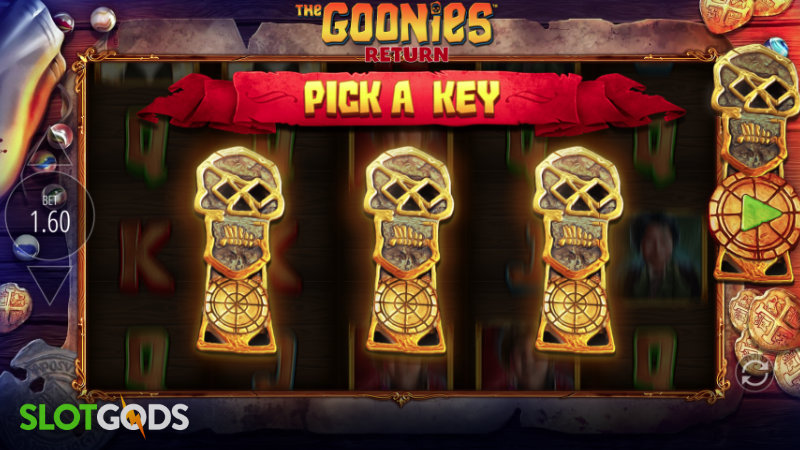
The Skill Rating system comes alive in the special bonus rounds, like “One-Eyed Willy’s Treasure” or the “Skeleton Organ” game. Here, you take active choices that shape what happens next. The system judges every choice. Because of this, two players who start the same bonus round can finish with completely different ratings and prizes.

This design makes you want to play again and get better. You have a reason to master the ins and outs of each bonus game to boost your rating higher. It alters the goal. Instead of just waiting for a bonus to hit, you concentrate on playing it as well as you can. That strategic layer can actually change how volatile your session feels and its potential return.
Strategic Decisions Influencing the Rating
Achieving a high Skill Rating means applying the right tactics. You need to recall which paths in the bonus games pay best, understand what the symbols are worth, and decide wisely about when to take a chance. For example, choosing a door that leads to a round where you collect multipliers will likely raise your rating more than opting for one for a simple cash prize.
The order of your actions is also important. Moving skillfully to collect the most treasure with the fewest moves usually yields a better score. This need for strategy calls for planning and a good knowledge of the game’s rules. It pays back the players who devote time learning how everything works together.
Parts of the Rating Score
Your final Skill Rating isn’t a haphazard value. It’s a total composed of several various parts. The primary factors are how well you gather treasure in bonuses, your selection of multipliers or paths, and how you manage options that offset risk and reward. Each part adds a particular amount to the overall score.
- Treasure Collection Efficiency: You obtain points for clearing maps quickly and picking up the most worthwhile symbols.
- Strategic Selection Accuracy: The game compensates you for selecting the right doors or paths that lead to better multipliers.
- Risk Management Proficiency: It evaluates how you tackle gamble features or choose to lock in a win instead of pursuing a bigger one.
Add these together, and you receive a composite score. The game frequently shows this as a letter grade or a number out of 100, giving you a steady benchmark for your session.
Possible Limitations and Considerations
The setup is clever, but it’s not perfect. The skill part only takes place in bonus rounds. The main game is still all about chance. You could not activate those bonuses for a long time, so you won’t experience the rating system at all. Also, concentrating too intensely on your rating could be annoying if a high-skill play still pays very low because the RNG didn’t cooperate.
New players face a learning curve. Early ratings might be low, which could put off some people. The system expects you to wish to adapt, and that doesn’t match every player’s preference. It’s wise to regard of the Skill Rating as an supplemental element, not a promise that you’ll make a profit.
Perks of a Open Rating System
A well-defined Skill Rating system brings several perks. It enhances player engagement by establishing clear goals that aren’t just about money. Going after a higher rating becomes its own challenge. It also teaches you better strategies, because the rating indicates how good your decisions were.
The system brings a sense of fairness and control. Players can observe how their choices develop, which often feels more satisfying and less annoying than pure luck. This openness builds trust in the game. It can also lead to play sessions longer, as people try to beat their own personal best score.
Comparison between Classic RNG Slots
With a classic slot, the result is decided the moment you spin by the RNG. No action of yours changes it. The Goonies Slot’s Skill Rating signals a definite shift away from that. The base game spins are still driven by chance, but the bonus features bring in skill. This establishes a hybrid model.
Putting them side by side reveals where game design is heading. It finds a intermediate spot between pure luck and pure skill, which draws in players who prefer to be more involved. The rating offers you a metric that makes this experience stand out. It lets you see yourself get better over time, an achievement you could never before do in a standard RNG slot.
Prospects of Competency-based Elements in Slots
The Skill Rating in The Goonies Slot indicates what’s next. Slot games are expected to include more gamification and player control. This trend caters to players who want interactive fun, more like a video game. Later, we may see these ratings used in tournaments or loyalty schemes. They could even influence a game’s story or unlock hidden content.
As the tech gets better, these systems will grow more complex. They might use adaptive algorithms to change the challenge based on your skill. This evolution blurs the line between gambling and gaming, which will spark new talks about regulation and design. The Goonies Slot acts as an early, working example of how to integrate a skill metric into a classic slot machine.
FAQ
How precisely does the Skill Rating assess in The Goonies Slot?
It evaluates how well you do during the interactive bonus rounds. The game assesses how skillfully you accumulate treasure, which paths you pick, and how you handle risks. It combines all this into one score or grade that indicates your performance against the best possible way to play those features.
Can a higher Skill Rating guarantee bigger wins?
No, it doesn’t. Skilful play typically leads to better results inside the bonus games, but the final prize values are still influenced by the Random Number Generator. The rating judges the quality of your decisions, not the random prize amounts tied to them.
Can I improve my Skill Rating over time?
Yes, you are able to. The Skill Rating is structured to demonstrate you’ve grasped the game. Learn the layout of the bonus games, what the symbols are worth, and the best routes to follow. With practice and by watching what is effective, you’ll develop sharper choices. Your rating should improve as a result.
Is The Goonies Slot title considered a game of skill or chance?
Legally, it’s a game of chance because its core mechanics use an RNG. But it blends in strong skill-based parts during the bonus features, producing a hybrid. The base game spins are pure luck. The bonus rounds allow your skill influence the outcome and your rating.
Where is my Skill Rating displayed during gameplay?
You’ll view it right after a skill-based bonus round concludes. A pop-up or a graphic on the screen will present your letter grade or numerical score. It isn’t visible during ordinary base game spins, only after the segments where you make active decisions.
Does every player able to use the Skill Rating system?
Every player who gets into the relevant bonus features will experience the Skill Rating system. But you have to get to those rounds first, which means hitting specific scatter symbols in the chance-based base game. The system is only active inside those feature games.